
- February 3, 2026
- Posted by: Gavtax gavtax
- Categories: Real Estate Accounting, REAL ESTATE TAXES, Tax Planning
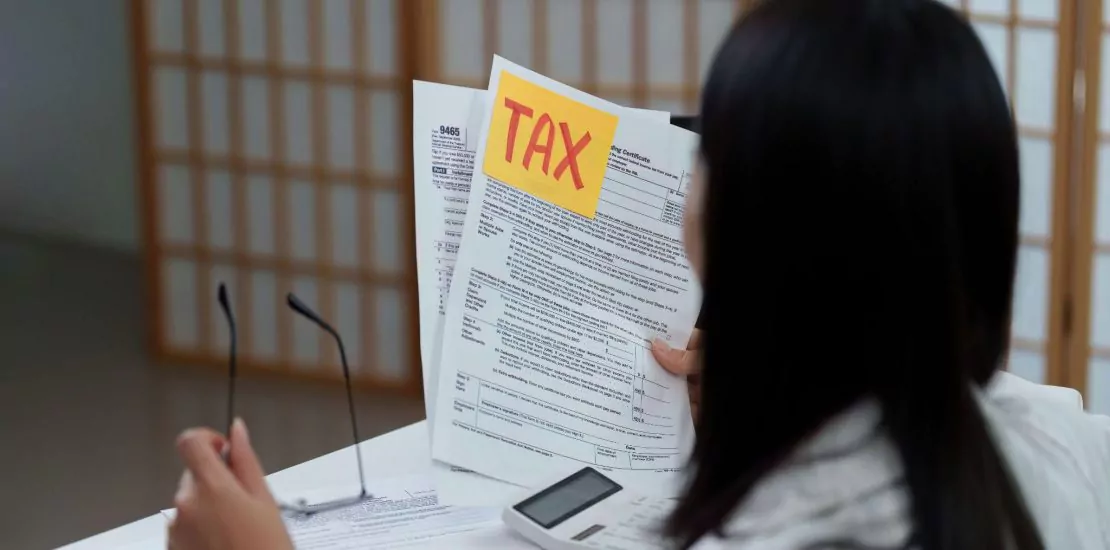
The best real estate accountant in Houston understands that rental property tax preparation is about much more than just filling out forms with numbers. It calls for smart planning, careful tracking of records, and making the most of today’s tax laws to let investors hold onto more of their rental earnings. Here in Houston, where the real estate scene is booming with everything from cosy single-family houses in Katy to bustling apartment buildings in the city centre, getting solid advice really helps cut down on what you owe and boosts what you keep.
Let’s get into how the top pros manage rental property tax preparationYou’ll notice it’s all about a clear, step-by-step method that makes the best real estate CPA stand out.
Understanding the Unique Tax Landscape for Houston Rental Properties
Rental properties in Houston bring their own mix of perks and headaches when it comes to taxes. Whether you’re dealing with steady long-term tenants, quick-turn short-term spots on sites like Airbnb, or even commercial rentals, you have to report that income right on Schedule E of your Form 1040. This part of the return lists out your rental cash coming in and lets you subtract the everyday costs that go with running things.
What counts as key stuff here? Well, rental income covers all the rent checks, any security deposits you end up keeping as rent, bills tenants pay directly like utilities, and even money paid ahead of time.
On the flip side, you can deduct things like mortgage interest, property taxes, insurance, fixes that aren’t big upgrades, upkeep work, ads to find tenants, fees for managers, trips tied to the property, and lawyer bills.
In Texas, we don’t have a state income tax, which is a nice break, but property taxes can hit hard, and if you’re doing short-term rentals, you’ve got to handle local hotel occupancy taxes too. A sharp Houston Real Estate CPA keeps up with all these local twists to make sure everything’s on the up and up while grabbing every possible deduction.
You know, Houston’s market is pretty dynamic-think about how oil prices or new developments can shift things. A pro factor that helps you adjust for rising values or changes in neighborhoods like The Heights or Memorial. It’s not just about federal rules; it’s tying in state and city stuff to paint the full picture.
The Step-by-Step Process of Professional Rental Property Tax Preparation

The folks who are the best CPA in Houston don’t wing it-they stick to a solid routine that keeps returns accurate and full of smart moves.
- Gather and Organize Documentation: It all kicks off with rounding up every bit of paperwork: those closing docs from buys or sells, 1099s from managers or apps, bank records, expense receipts, logs of miles driven, and old depreciation charts. Having it all neat and sorted means you won’t skip over deductions, and if the IRS comes knocking, you’re ready without stress.
- Take a real example-say you’ve got a duplex in Montrose: Without organized files, you might forget to deduct that plumbing repair from last summer. Pros use tools or apps to categorize this stuff early, saving time later.
- Categorize Income and Expenses Precisely: Next up, they split costs into ones you can write off right away (like regular operating stuff) and bigger ones you add to the property’s value and depreciate over time. A leaky faucet fix? That’s an expense. But a whole new HVAC system? That’s capital, so it gets spread out.Getting this right keeps your deductions safe and your property’s basis spot-on for when you sell. It’s a common spot where DIY folks mess up, leading to audits or lost savings.
- Calculate Depreciation Correctly: Depreciation is a game-changer-it’s like getting credit for your property wearing out over time, even if it’s holding value. For homes you rent out, it’s usually straight-line over 27.5 years via MACRS. But stuff inside, like stoves or rugs, can depreciate quicker, say 5 or 7 years.
And with updates from the 2025 One Big Beautiful Bill Act (OBBBA), we’ve got full 100% bonus depreciation back for stuff put in use after January 19, 2025. That means you can deduct the whole cost upfront on qualifying items, which really pumps up your cash flow. A good accountant runs the numbers to see if it fits your setup.
Let’s say you buy a rental condo in Midtown and add new appliances. Without bonus depreciation, you’d spread that out; with it, you deduct it all at once, maybe saving thousands that year.
Using Advanced Strategies Like Cost Segregation
What really marks the best real estate accountant in Houston is pushing for cost segregation studies on properties that qualify, like fresh builds, renos, or pricier buys. This is basically an expert breakdown that shifts parts of the building, such as wiring, floors, or outdoor features, into faster depreciation categories.
The payoff? You get bigger deductions early on, dropping your taxable income now and evening out money over the years. For someone with Houston short-term rentals or bigger complexes, this could mean five-figure savings in year one, all while following IRS rules to the letter.
We’ve seen investors turn a so-so return into a strong one just by doing this-it’s like finding hidden money in your own books.
Handle Passive Activity Rules and Material Participation
- Understand passive income limitations: Rentals often count as passive income, so losses might not offset your day-job earnings.
- Qualify as a real estate professional: But if you qualify as a real estate pro, by passing IRS checks on how much time you put in, those losses become active, letting you use them more freely.
- Document participation for vacation rentals: For vacation-type rentals, keeping good notes on your hours can prove you’re hands-on, unlocking better deductions.
- Seek professional guidance: It’s tricky, but pros guide you through the tests.
Incorporate Quarterly Estimates and Year-Round Planning
- Plan quarterly tax payments: Smart Houston, TX tax preparation means figuring out quarterly payments to dodge penalties for owing too much at once.
- Adjust strategies throughout the year: The best accountants check in midway through the year for shifts, like adding a new property or refinancing, and tweak plans on the fly.
- Align taxes with long-term goals: This ongoing chat keeps surprises away and lines up your taxes with your bigger goals, like expanding your portfolio.
Review for Additional Opportunities
- Explore tax-deferral strategies: Finally, they scan for extras: maybe a 1031 exchange to push off gains when selling.
- Leverage investment incentives: Investing in opportunity zones for breaks.
- Optimize business structure: Or set up your business as an LLC or S-Corp for better shields and tax perks.
- Simplify when appropriate: For long-haul rentals, keeping it simple often works best, but it depends on your situation.
- Customize for the local market: In Houston, with its mix of investors from flippers to landlords, tailoring this is key.
Common Deductions and Tips Employed by the Best CPAs
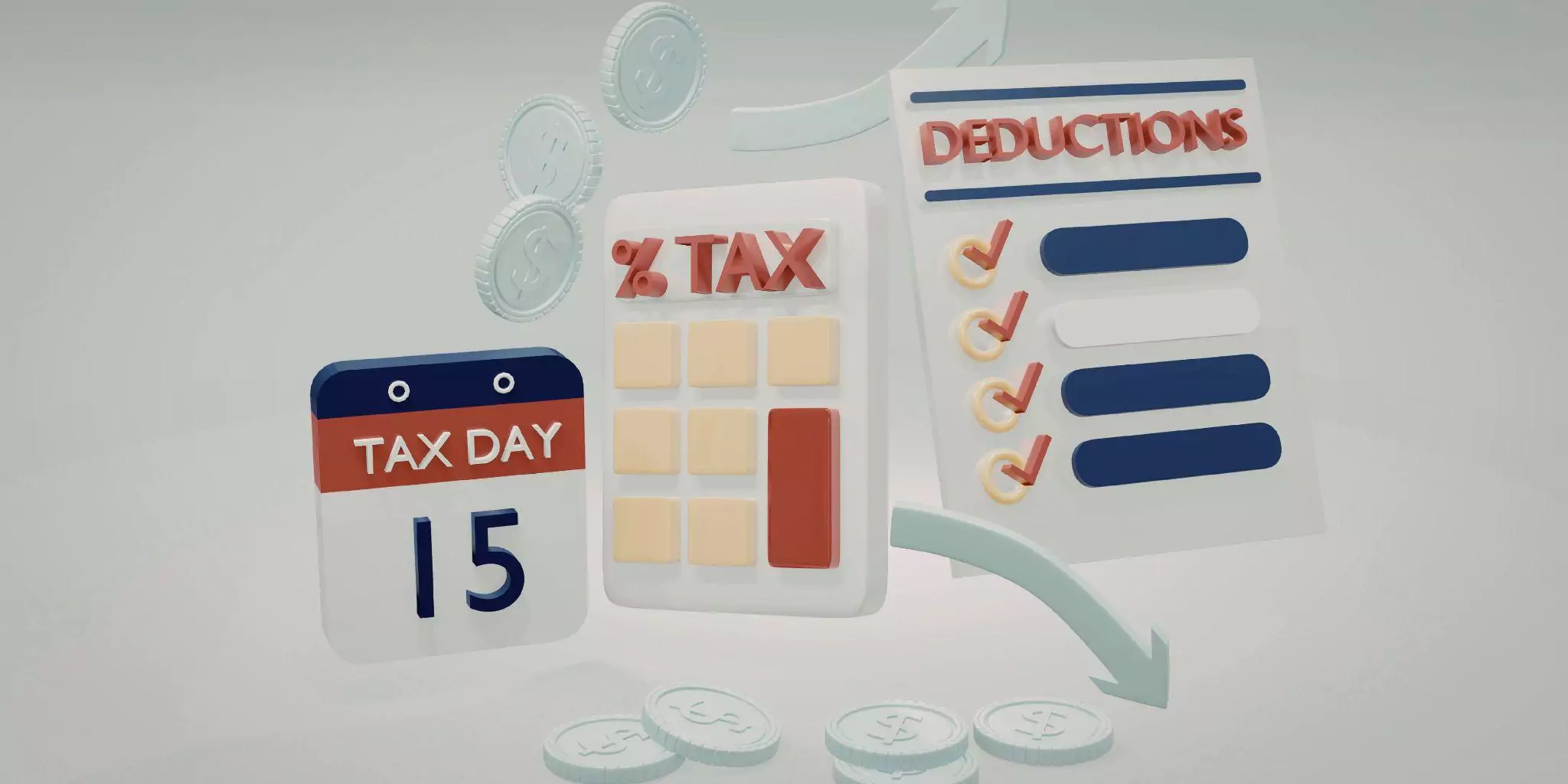
The best real estate CPA makes sure you grab all the valid write-offs without pushing boundaries:
- Mortgage interest and any points paid.
- Property taxes, along with insurance costs.
- Clear lines between repairs (quick fixes) and improvements (major adds).
- Travel miles and home office space if it qualifies.
- Depreciation on gear and bonus-qualified purchases.
Some handy advice: Keep detailed records, maybe with apps like GavTax Accounting Services, QuickBooks or Expensify. Challenge those Harris County property tax hikes if they look off-base-it can trim your yearly outlay. For short-term spots, track personal use versus rental days to avoid messing up ratios, and stay on top of occupancy taxes.
Another tip is to bundle expenses where you can, like combining trips to check multiple properties. It adds up, especially in a spread-out city like Houston.
Pros also remind you about energy-efficient upgrades, which might qualify for credits under current laws. Or, if you’re rehabbing an older home in areas like the East End, look into historic tax credits that Texas offers.
Why Expertise Matters in Today’s Environment
Tax rules keep changing, like that 2026 bonus depreciation comeback. Keeping pace takes constant learning and hands-on know-how with Houston’s vibes-climbing home prices, varied investor crowds, and economic swings from energy sectors.
A pro doesn’t just file; they spot ways to save that build up, making tax time a chance to strengthen your game plan rather than a hassle.
Quick Summary: Rental Property Tax Preparation by the Best Real Estate Accountant in Houston
- Proper rental property tax preparation in Houston ensures income and expenses are reported accurately, preventing costly tax errors.
- Correctly classifying repairs, improvements, and depreciation maximizes deductions while reducing audit risk.
- Cost segregation and bonus depreciation strategies boost early-year cash flow for Houston real estate investors.
- Year-round tax planning and quarterly estimates help investors avoid penalties and unexpected tax bills.
- An experienced real estate accountant in Houston converts complex IRS rules into measurable investment returns.
Wrapping this up:
Solid rental property tax preparation needs accuracy, looking ahead, and deep expertise. The best real estate accountant in Houston turns tough regs into straightforward steps that safeguard and expand your holdings.
If you’re investing in Houston real estate and want steady help to sort these out and fine-tune your approach, think about reaching out to pros like the team at GavTax Advisory Services. Our real estate tax focus offers custom advice to help you succeed in this lively market. Why not set up a chat to see what fits your setup?
FAQ’S
Q1. How does a top Houston real estate accountant handle rental taxes?
They plan smart, track records tightly, and max deductions to keep more of your rental cash in Houston’s hot market.
Q2. What deductions can I claim for Houston rental properties?
Mortgage interest, property taxes, repairs, insurance, travel, and depreciation-Houston CPAs grab ’em all legally.
Q3. Why is depreciation key for rental property taxes in Houston?
It lets you deduct wear-and-tear over time, plus 100% bonus on new stuff post-2025 for big upfront savings.
Q4. What’s cost segregation, and how does it help Houston investors?
Breaks down property costs for faster write-offs on things like wiring, boosting early deductions and cash flow.
Q5. How do pros manage passive loss rules for Houston rentals?
Track your hours to qualify as a real estate pro, turning losses active so you offset income without limits.