- April 2, 2026
- Posted by: SEO Coder
- Categories: Real Estate Accounting, real estate investors, Tax Planning, Tax Preparation
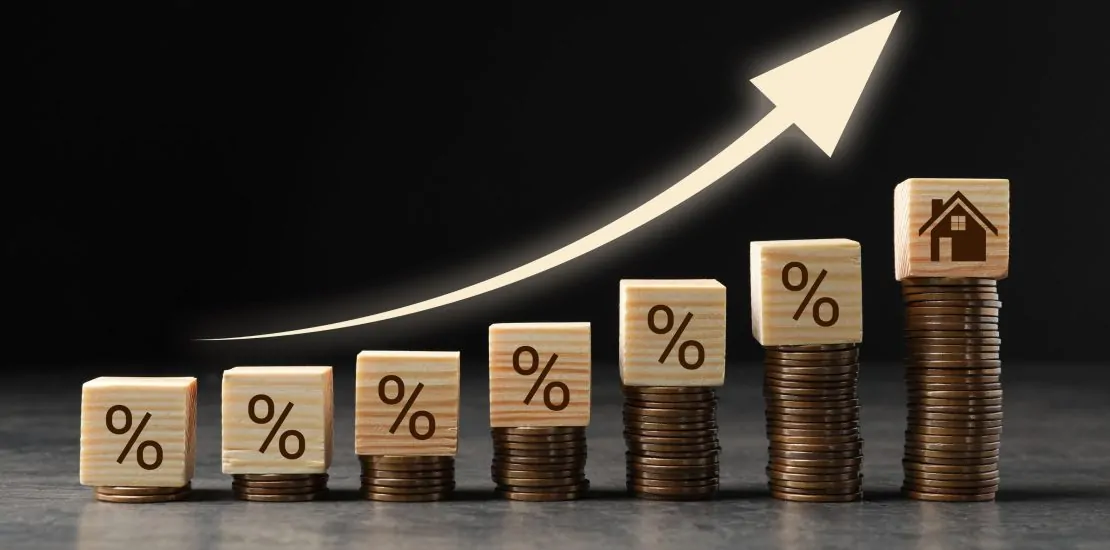
As a real estate investor, you put a lot of effort into finding good properties, keeping tenants happy, and making sure your cash flow stays strong. Still, one area that quietly affects how far your portfolio can grow is the way you manage your taxes. The Real Estate Tax Preparation Services you choose matter more than most people think. The obvious fees are only part of it. What often stays hidden are the missed chances and extra taxes that slowly reduce the money you have left to buy more properties or make improvements.
In this post, we will walk through exactly what these services really cost, where hidden losses happen, and how the right kind of planning can actually help your investments move forward. You will finish reading with a clearer idea of what to look for and when it makes sense to work with someone who truly understands real estate.
Did You Know?
According to the IRS (Internal Revenue Service), rental real estate is typically depreciated over 27.5 years, allowing property owners to deduct a portion of the property’s cost each year, even if the property is increasing in market value.
What Do Real Estate Tax Preparation Services Actually Cost?
Real Estate Tax Preparation Services do not come with one simple price tag because every investor’s portfolio tells a different story. The support you need depends on the size and type of properties you own. Taking time to understand the main influences helps you see why the investment in professional help can vary. The following are the influencing factors that determine the cost:
- Number of properties: It is a very different task to maintain one rental property or to have a few homes, apartment buildings, or mixed-use spaces. Every additional property is associated with additional schedules, records of income, and details of expenses, which should be attentively reviewed.
- Rental versus commercial: Rentals in the residential setting are typically characterised by direct payments from the tenant and minor repairs. Commercials, on the other hand, carry with them longer leases, tenant improvement costs, and common costs in maintenance and special depreciation provisions, which demand additional considerations.
- State and location: Every state sets its own tax rules, available credits, and filing steps. When your properties are located in more than one location, additional coordination work is incorporated to deliver the requirements to the different areas on time.
- Transaction complexity: Moves like 1031 exchanges, cost segregation studies, or bonus depreciation calculations add important layers. Such circumstances require clear knowledge in order to keep everything compliant while still working in your best interest.
Typical Cost Breakdown
When you look at Real Estate Tax Preparation Services, the work usually falls into a few clear levels based on how much help you actually need.
Basic returns focus on standard rental income reporting for a small number of properties with simple deductions. Multi-property filings take on several assets, different income types, and the supporting paperwork that spreads across many schedules. Advanced tax strategy support goes further by offering proactive planning, advice on entity structure, and multi-year ideas that reach well beyond the annual filing deadline.
The Hidden Costs That Impact Your Investment Growth

Picking tax services based only on the lowest price can create setbacks that hurt more than the fee itself. These quiet losses often reduce the money and opportunities you have for growing your portfolio.
- Missed deductions: It means you leave behind expenses you could have claimed, which raises your taxable income and leaves less money to reinvest.
- Poor depreciation planning: Fails to capture the full write-offs available now and in future years, slowing the return of cash you put into the property.
- Incorrect expense categorization: Leads to compliance questions or lost benefits, adding stress and the need for later corrections.
- Lack of proactive tax strategy: Keeps you reacting to rules instead of planning ahead, so you miss the chance to arrange transactions in ways that support stronger results.
Are You Paying Too Much or Getting Too Little?
Many investors find themselves weighing low-cost options against experienced tax professionals near them. Seeing the real difference helps you protect both your compliance and your long-term growth.
Cheap services usually provide basic filing with little review, limited real estate knowledge, and almost no guidance once the return is done.
Experienced CPA support offers a deep understanding of the industry, practical recommendations, and availability throughout the year that matches your investment plans.
Watch for these red flags:
- Flat low pricing that skips any initial conversation or portfolio review.
- No real estate specialisation or relevant experience.
- No year-round support beyond the busy filing season.
The smarter choice always looks at the full value rather than the smallest fee.
How the Right CPA Can Increase Your Real Estate ROI
A skilled real estate tax accountant does much more than fill out forms. This professional acts as a true partner who helps strengthen your financial results over time.
- Strategic tax planning lines up your property decisions with today’s rules and tomorrow’s possibilities so you can lower your tax burden in a thoughtful way.
- Maximising deductions makes sure every allowed expense gets the right treatment, which improves the cash you have available to work with.
- Timing income and expenses lets you manage reporting periods carefully to support the best moments for buying, selling, or making improvements.
- Long-term wealth protection creates structures that guard your assets and open smoother paths for estate planning and future transfers.
Real Estate Tax Strategies Most Investors Miss
Even active property owners sometimes pass over powerful approaches that a knowledgeable accountant for real estate investors can put to work.
- Cost segregation speeds up depreciation by separating personal property items inside a building so you receive benefits sooner.
- Depreciation optimization reviews the methods you currently use and adjusts them to match how the property is actually being used.
- 1031 exchanges let you postpone capital gains taxes when you sell one property and buy another of a similar kind, keeping more equity ready for growth.
- Passive loss rules guide you through the limits and carryovers so losses can be applied effectively against future income.
Local Factors That Affect Your Tax Preparation Costs
Where your properties are located plays a real part in both the rules you must follow and the opportunities available through a real estate tax planning firm.
- State tax differences create separate requirements that change your overall liability and filing duties.
- City-level compliance requirements may add local forms or limits you need to meet.
- Local filing deadlines and regulations call for close attention to avoid any penalties.
- Regional economic conditions can influence property values and the related tax effects.
- Varying incentive programs offer credits or reductions that require proper records to claim.
When Does Hiring a CPA Actually Make Financial Sense?

You should consider working with a real estate CPA once your holdings move past one or two properties, include short-term rentals, or stretch across several states. The same holds true when you face complex exchanges, major improvements, or decisions about entity structure. Professional support turns tax compliance into a practical tool that helps your portfolio grow with confidence.
DIY vs CPA: What Are You Really Risking?
A good number of investors start with do-it-yourself methods to keep expenses down. This route can work for very simple cases, yet it carries growing risks as your portfolio becomes larger.
DIY: This means preparing everything yourself with software or basic guides. It may save money at first, but it often overlooks the finer points that real estate situations require.
- Limited knowledge of current real estate regulations
- Higher chance of missing valid deductions
- No expert advice on timing important moves
- Greater exposure to audit questions from small errors
- Less time left for actually managing your properties
CPA: It supports brings specialised knowledge, careful accuracy, and forward-thinking ideas that usually deliver better results and greater peace of mind.
- Access to proven industry-specific strategies
- Lower risk through accurate and complete reporting
- Year-round planning that stays in step with your goals
- Professional help if questions arise during a review
- Greater confidence when you consider bigger opportunities
How GavTax Advisory Services Supports Real Estate Investors
GavTax offers real estate tax preparation services built specifically for investors and business owners. The team focuses on planning that continues all year, clear communication, and experience that works across different locations. Clients receive steady guidance that supports both proper compliance and steady portfolio growth.
Key Takeaways
- Real estate tax preparation services affect more than just filing-they shape the money you have left for future growth.
- Hidden costs from weak planning frequently outweigh the visible fees.
- The right Tax Planning for Real Estate Investors creates real advantages through careful strategy and solid expertise.
- Choosing a qualified real estate tax accountant or accountant for real estate investors sets the stage for lasting success.
- Your location and the size of your holdings help decide when professional support delivers the strongest return.
FAQs
Q1. How much does a CPA charge for real estate taxes?
The cost depends on your portfolio size, property types, and transaction complexity. A real estate tax accountant will give you a clear quote after discussing your specific needs.
Q2. Can tax preparation affect investment returns?
Yes. Proper planning keeps more income for reinvestment, improves cash flow, and prevents you from paying unnecessary taxes.
Q3. What deductions can real estate investors claim?
Mortgage interest, property taxes, repairs, maintenance, insurance, depreciation, management travel, and professional fees. A real estate CPA ensures you claim everything eligible.
Q4. Is hiring a CPA worth it for rental properties?
Yes. For growing or complex portfolios, a real estate tax planning firm delivers maximum benefits, lower risk, and strategic advice that helps your investments expand.
Final Thoughts:
Your real estate tax preparation services do not have to stand in the way of investment growth. Instead of settling for basic filing each year, you can work with professionals who understand the real estate world in depth.
At GavTax Advisory Services, the approach centres on clear, proactive support that helps you make decisions with confidence. Schedule a consultation today to review your current setup and see how stronger tax planning for Real Estate Investors can power the next phase of your success. Your portfolio deserves guidance that matches the vision you have for it.