
- December 3, 2025
- Posted by: Gavtax gavtax
- Category: Tax Planning

These days, more small business owners than ever are running their operations right from a quiet corner of their living room or a spare bedroom. It makes sense-it’s convenient and cuts down on overhead. But what a lot of folks don’t realize is how much this setup can actually save them on taxes if they handle it right. As someone who’s spent years helping entrepreneurs sort through these kinds of details at GavTax Advisory Services, we have watched too many misses out on straightforward deductions simply because they weren’t sure where to start. That’s why tax planning for small businesses like these matters: it turns your everyday home setup into a smart financial move.
We’ll get through the basics here-who qualifies, how to crunch the numbers, what expenses count, and how to keep everything straight for the IRS. No jargon overload, just clear steps you can follow. And remember, a quick chat with a small business tax accountant near you can tailor all this to your exact situation. Let’s get into it.
Understanding Eligibility for Home Office Deductions
Figuring out if your home office setup actually qualifies for a deduction is the first hurdle, and it’s one that trips up a surprising number of self-starters. The good news? The IRS lays it out pretty plainly, focusing on real business use rather than some fancy office vibe. Once you nail this down, the rest falls into place more easily.
- Primary place of business rule: This implies that you have to have your home space as the place where you do most of your business, such as your reply to clients or where you plan your next project. It does not have to be the only place, but that place must seem like it is the center of your day-to-day grind- consider it your Command Center, and not your backup plan.
- Frequent and exclusive use: You are using that room on a regular basis (at least several hours a day), and you are leaving personal stuff behind in that room when you do. No folding laundry on the desk during the time you are on a call; this makes the desk clean and justifiable in case someone inquires sometime later.
- Storage exception for inventory: The only storage facility you have is your home, and you happen to be in the retail or crafting business. Even a shared space can be considered. This includes shelves of waiting products to be shipped, making what may have been a gray area a definite victory regarding your return.
- Separate structure allowance: Got a shed or garage just for meetings with customers? That can qualify too, as long as it’s used solely for business chats. It’s a nice loophole for folks who need client-facing space without renting extra.
- No go for W-2 employees: Sadly, if you’re on a traditional payroll, these deductions aren’t for you right now-it’s geared toward independents. This pushes a lot of remote workers to think about going solo, but they should always weigh the full picture first.
- Daycare provider specifics: Running a home-based childcare? There’s a separate path here, based on the hours the space is available, rather than strict exclusivity. It broadens access for those in that field, making family-friendly businesses more viable.
Sticking to these keeps your claim solid and stress-free. If it feels fuzzy, looping in a tax preparation service near you proactively saves headaches down the line.
Choosing the Right Calculation Method for Your Deduction
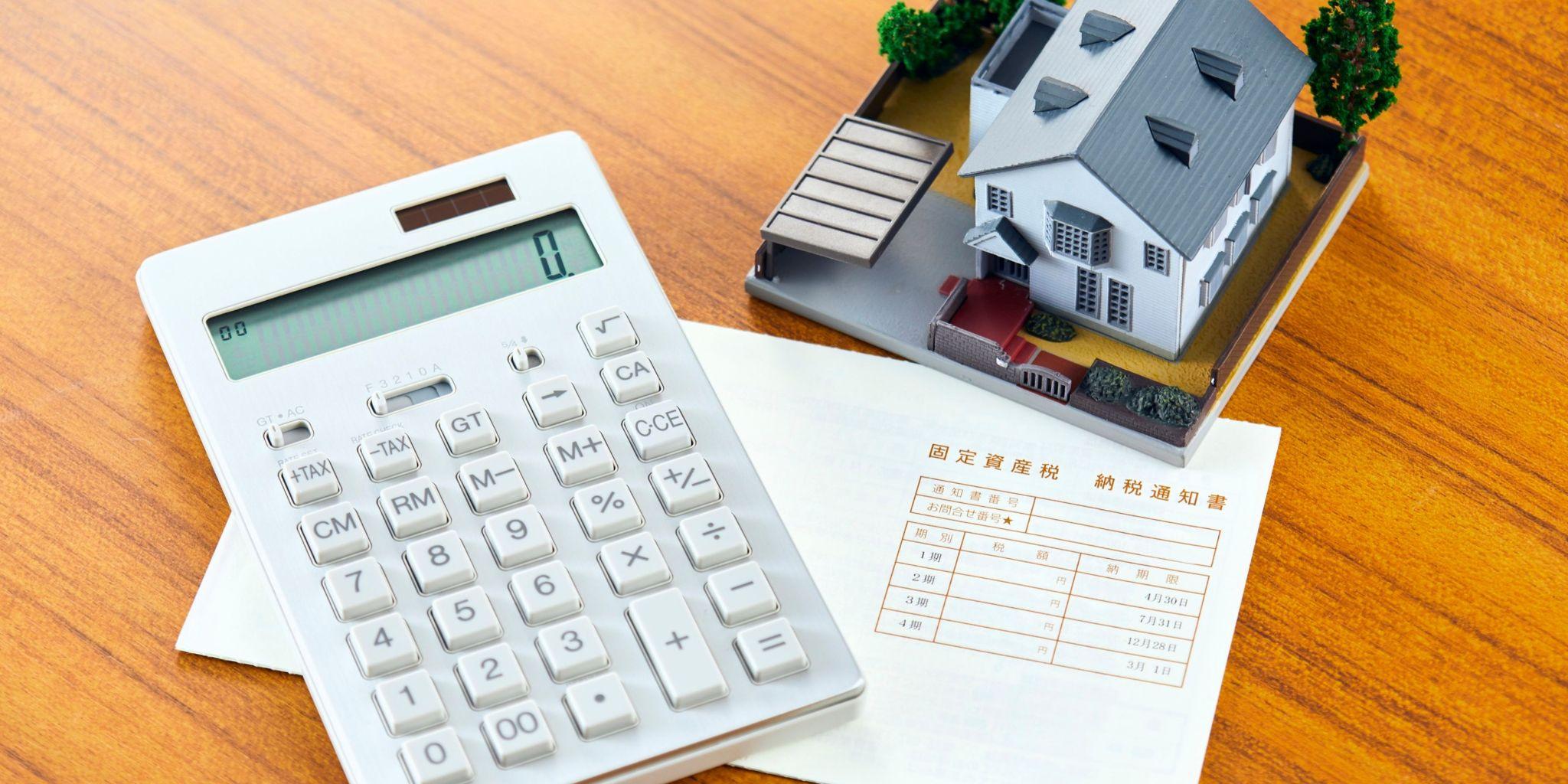
Once you’ve confirmed you’re eligible, the real fun begins: deciding how to actually figure out what you can deduct. The IRS gives you two main paths, each with its own flavor-one’s more hands-on for bigger payouts, the other’s a breeze if you’re short on time. Picking the right one depends on your home size, bills, and how much tracking you can stomach.
- Regular method basics: You take your home’s total expenses, like rent or mortgage chunks, and slice off a business portion based on square footage. It’s detailed work, but for a large office area, it often pulls in more savings than the quick option.
- Simplified method overview: Just multiply your office’s square feet by a flat IRS rate-no digging through utility bills required. It’s capped to keep things fair, but perfect for starters who want in and out without the math marathon.
- When regular shines: If your home costs are high, like steep utilities in a cold climate, this method captures more of that proportionally. We’ve seen clients reclaim hundreds extra this way, especially with older homes that guzzle energy.
- Simplified for simplicity: New to this or with a tiny nook? This cuts the paperwork in half and lowers audit flags since it’s IRS-approved at face value. It’s like a safety net for busy owners juggling everything else.
- Switching years: You don’t have to lock in forever; test both each tax season and go with the bigger deduction. This flexibility lets your strategy evolve as your business grows or your setup changes.
- Pro tip on tools: Pair either with basic spreadsheets to run scenarios ahead of time. It demystifies the choice and shows why chatting with the best CPA near you can spot tweaks you might miss.
Either way, the goal is to ease your load while staying compliant. A tax advisory service can run the numbers for you if it starts feeling like overkill.
Identifying Qualifying Expenses to Maximize Savings
Expenses are where the rubber meets the road for these deductions-spotting what counts can add up fast, but only if you categorize them smartly. Direct costs get full credit since they’re purely business, while indirect ones share the love based on your space ratio. Breaking it down like this keeps surprises at bay come filing time.
- Direct expenses explained: These are bills just for your office, such as a new carpet in that room or a dedicated air conditioner unit. Because nothing personal touches them, you deduct the whole amount, turning upgrades into immediate tax relief.
- Indirect costs breakdown: Think utilities, insurance, or a portion of your rent-apply your business percentage to claim a fair slice. For example, if half your electric bill heats the office, that’s half off your taxes, smoothing out those variable months.
- Mortgage and tax perks: Homeowners can deduct interest and property taxes proportionally, which feels like a bonus on top of their regular mortgage breaks. It’s a layered benefit that rewards long-term stability in your setup.
- Repairs and maintenance: Fixing a leaky office window or the whole-house HVAC? Prorate the latter, but claim full for targeted fixes. This encourages keeping things tip-top without skimping on the business side.
- Depreciation details: For big-ticket items like built-in shelves, spread the cost over years instead of all at once. It evens out cash flow and lets you deduct value as it wears down, a steady stream for ongoing operations.
- Supplies and tech add-ons: Printer ink, software subscriptions, or even a fraction of your internet track these separately for accuracy. They stack nicely with the space deduction, painting a fuller picture of your home-based hustle.
Nailing this list means less guesswork and more in your pocket. An accountant for a small business can audit your categories to squeeze out every eligible dollar.
Essential Documentation and Reporting Essentials

Good records are not glamorous, but they are your shield when questioned by the IRS. Digital folders magic snap photos of your space, record hours and store receipts in a single spot. Plug it in Schedule C and Form 8829 when it becomes filing season, and the ride is smooth.
Avoiding Pitfalls and Embracing Best Practices
Slipping up here is common, like letting the kids’ toys invade your desk or skipping annual reviews. But with a few guardrails, you stay ahead. Check your setup mid-year, compare methods, and lean on software for mock runs. Teaming up with a small business tax accountant near you turns potential snags into non-issues.
Latest Insights and Strategic Considerations
Remote work’s boom hasn’t shaken the core rules much by late 2025, but digital tools are making simplified claims even easier to file. For multi-hustle owners, keep schedules distinct to avoid mix-ups. And if creativity’s your game, those storage rules can open doors you didn’t know existed.
Closing Out:
At the end of the day, these home office deductions are about giving back what you’ve earned through your hard work at home. Get the eligibility right, pick your math path, track those expenses, and document like a pro-you’ll sleep better knowing it’s all buttoned up.
If you’re ready to make this real for your books, GavTax Advisory Services is here with the kind of tax preparation services near you that fit right into your routine. Consult us today, and let’s turn those possibilities into success.
Frequently Asked Questions
Q1. Who qualifies for home office tax deductions?
Self-employed owners using a space regularly and exclusively for business qualify, not W-2 employees.
Q2. What are the two deduction calculation methods?
The regular method uses a detailed expenses ratio, and the simplified method uses a flat rate per square foot, capped at 300 sq ft.
Q3. What expenses can be deducted for home offices?
Direct costs fully, indirect costs proportionally, plus mortgage interest, repairs, supplies, and depreciation.
Q4. How should home office use be documented?
Keep photos, logs of hours, and receipts organized; report expenses on Schedule C and Form 8829 for the IRS.
Q5. Can a detached structure like a shed qualify?
Yes, if used exclusively and regularly for business, it qualifies for the home office deduction as a separate space.